
Temporary Removal of Superfluous Hair
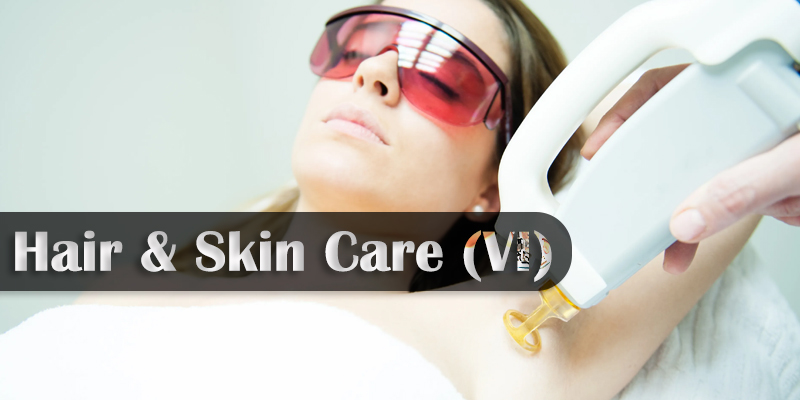
Superfluous hair refers to unwanted hair that appears on different parts of the body such as the face, arms, legs, underarms, and back. In cosmetology, the removal of superfluous hair is an important beauty treatment because it helps improve personal appearance, hygiene, and self-confidence. Temporary hair removal methods are widely used in salons and beauty centers because they are safe, easy to perform, and provide quick results.
Temporary hair removal methods remove hair from the surface of the skin or from the hair follicle for a limited period of time. The hair usually grows back after a few days or weeks depending on the method used and the individual’s hair growth cycle. These methods are commonly used because they are non-permanent and suitable for regular grooming.
Importance of Temporary Hair Removal
Temporary hair removal helps individuals maintain a neat and well-groomed appearance. Many people prefer smooth and hair-free skin for aesthetic reasons. Removing unwanted hair also helps in better application of makeup and skincare products.
In addition to appearance, temporary hair removal contributes to hygiene and comfort. For example, removing underarm hair can help reduce sweat odor and maintain cleanliness. Because of these benefits, temporary hair removal services are commonly offered in salons and beauty clinics.
Common Areas for Hair Removal
Superfluous hair can appear on several parts of the body. Some of the most common areas where temporary hair removal treatments are performed include the eyebrows, upper lip, chin, arms, legs, underarms, and back. These areas are treated using different techniques depending on the thickness and growth of hair.
Methods of Temporary Hair Removal
There are several methods used in cosmetology for temporary hair removal. Each method has its own advantages and is chosen based on the area being treated and the client’s skin type.
1. Shaving
Shaving is one of the simplest and most common methods of temporary hair removal. It involves using a razor or electric shaver to cut hair at the surface of the skin. Shaving is quick and painless but the hair grows back relatively fast, usually within a few days.
This method is commonly used for areas such as legs and arms. Proper care should be taken to avoid cuts or skin irritation while shaving.
2. Threading
Threading is a traditional hair removal technique commonly used for facial hair, especially for shaping eyebrows and removing hair from the upper lip and chin. It involves twisting a cotton thread and rolling it over the skin to pull hair out from the root.
Threading is precise and suitable for small areas of the face. The results usually last for several weeks.
3. Tweezing (Plucking)
Tweezing involves removing individual hairs using a pair of tweezers. This method is commonly used for shaping eyebrows or removing a few unwanted hairs.
Although tweezing is effective, it can be time-consuming if a large area needs to be treated.
4. Waxing
Waxing is a widely used method for temporary hair removal. In this process, warm wax is applied to the skin and then removed quickly using cloth strips or special waxing strips. The hair is pulled out from the root, which results in smoother skin for a longer period of time.
Waxing can be used on different body areas such as legs, arms, underarms, and the face. The results usually last for three to four weeks.
5. Hair Removal Creams
Hair removal creams, also known as depilatory creams, contain chemicals that dissolve the hair at the skin surface. The cream is applied to the area for a few minutes and then removed along with the hair.
This method is painless and easy to use, but it is important to perform a patch test before using the product to avoid allergic reactions.
Advantages of Temporary Hair Removal
Temporary hair removal methods offer several advantages. They are generally safe, affordable, and easy to perform. Most methods require minimal equipment and can be performed quickly in a salon or at home.
These methods also allow individuals to maintain regular grooming without undergoing permanent procedures.
Precautions During Hair Removal
Before performing any hair removal treatment, the skin should be clean and free from cuts or infections. Tools and equipment must be properly sanitized to prevent infections. Cosmetologists should also check the client’s skin type and perform patch tests when using chemical products.
After the treatment, soothing lotions or creams may be applied to reduce redness or irritation. Proper aftercare helps maintain healthy skin.
Aftercare for Hair Removal
After hair removal treatments, clients should avoid exposure to direct sunlight, hot water, or harsh cosmetic products for a short period. Keeping the skin moisturized helps maintain smoothness and prevents dryness or irritation.
Conclusion
Temporary removal of superfluous hair is an important service in cosmetology. Methods such as shaving, threading, tweezing, waxing, and hair removal creams help remove unwanted hair and improve personal grooming.
Although these methods do not permanently stop hair growth, they provide effective short-term results and help individuals maintain smooth and clean skin. By following proper techniques, hygiene practices, and aftercare, cosmetologists can safely perform temporary hair removal treatments for their clients.