
Contra-Indications of Temporary Removal of Superfluous Hair
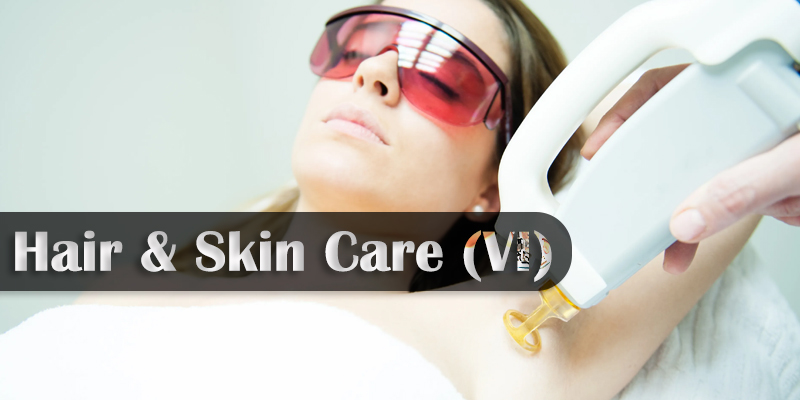
Temporary removal of superfluous hair is a common treatment in cosmetology used to remove unwanted hair from areas such as the face, arms, legs, and underarms. Methods such as waxing, threading, shaving, and the use of depilatory creams are widely practiced in salons. However, in certain conditions these treatments should not be performed because they may cause harm or discomfort to the client.
These conditions are known as contra-indications. Contra-indications refer to situations or health conditions where a particular treatment should be avoided or modified to ensure the safety of the client.
Definition of Contra-Indications
Contra-indications are conditions that prevent or restrict a beauty treatment from being performed safely. If a client has a contra-indication, the cosmetologist must avoid the treatment or postpone it until the condition improves.
Understanding contra-indications is important for maintaining professional standards and protecting the health of clients.
Common Contra-Indications
1. Skin Infections
If the client has any type of skin infection such as fungal infection, bacterial infection, or viral infection, hair removal treatments should not be performed. Performing the treatment may spread the infection or worsen the condition.
2. Cuts, Wounds, or Open Sores
Hair removal should not be performed on areas with cuts, wounds, or open sores. These conditions increase the risk of pain, irritation, and infection. The treatment should be postponed until the skin has healed completely.
3. Severe Skin Irritation
If the client’s skin is already irritated, inflamed, or extremely sensitive, hair removal treatments may cause further discomfort. The cosmetologist should avoid the treatment until the skin condition improves.
4. Sunburn
Sunburned skin is very sensitive and fragile. Performing hair removal on sunburned skin may cause severe pain, peeling, or additional skin damage. The treatment should be delayed until the skin recovers.
5. Allergic Skin Conditions
Clients who have allergic reactions, rashes, or skin allergies in the treatment area should not undergo hair removal treatments until the allergy has been treated and the skin has returned to normal.
6. Skin Diseases
Certain skin diseases such as eczema, psoriasis, or dermatitis may make the skin more sensitive and prone to irritation. In such cases, hair removal treatments should be avoided unless advised by a medical professional.
7. Varicose Veins
Varicose veins are swollen veins that appear under the skin, usually on the legs. Hair removal methods such as waxing should not be performed directly over varicose veins because they may cause discomfort or damage to the skin.
8. Recent Skin Treatments
If the client has recently undergone skin treatments such as chemical peels, laser treatments, or skin resurfacing procedures, hair removal should be avoided until the skin has fully recovered.
9. Extremely Sensitive Skin
Clients with extremely sensitive skin may experience severe irritation or allergic reactions during hair removal treatments. In such cases, the cosmetologist should carefully assess the situation and may recommend alternative methods.
Importance of Identifying Contra-Indications
Identifying contra-indications before performing hair removal treatments is an essential responsibility of a cosmetologist. It helps prevent skin damage, infections, and discomfort for the client.
Proper client consultation and skin analysis help identify any conditions that may affect the treatment. This ensures that the cosmetologist provides safe and professional services.
Actions to Take When Contra-Indications Are Present
If a contra-indication is identified, the cosmetologist should avoid performing the treatment on the affected area. The client should be informed about the condition and advised to seek medical guidance if necessary.
In some cases, the treatment may be postponed until the skin condition improves. This helps ensure the safety and well-being of the client.
Conclusion
Contra-indications of temporary hair removal refer to conditions where the treatment should not be performed because it may cause harm or discomfort. Common contra-indications include skin infections, cuts or wounds, severe irritation, sunburn, allergies, skin diseases, varicose veins, and recent skin treatments.
By identifying these conditions during client consultation and skin analysis, cosmetologists can ensure safe and effective beauty treatments while protecting the health and comfort of their clients.