
Contra-Actions of Temporary Removal of Superfluous Hair
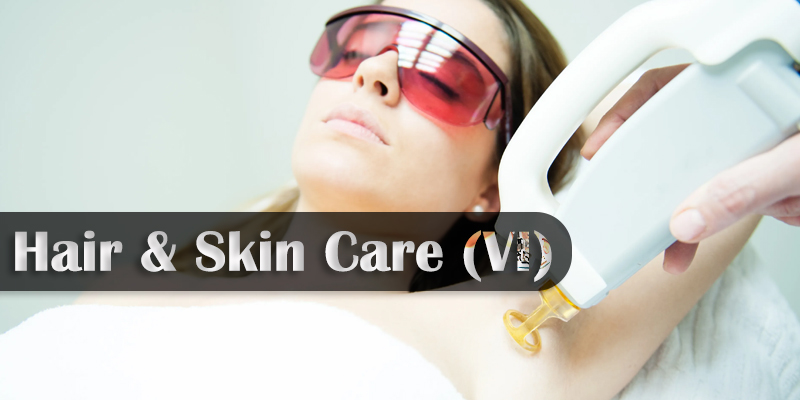
Temporary removal of superfluous hair is a common beauty treatment performed in cosmetology. Methods such as shaving, waxing, threading, and the use of hair removal creams are widely used to remove unwanted hair from different parts of the body. Although these methods are generally safe, certain reactions may occur during or after the treatment. These reactions are known as contra-actions.
Contra-actions are temporary and mild reactions that may appear on the skin during or after a beauty treatment. Cosmetologists should understand these reactions so that they can manage them properly and ensure the comfort and safety of the client.
Definition of Contra-Actions
Contra-actions refer to minor and temporary skin reactions that occur during or after a cosmetic treatment. These reactions are usually mild and disappear within a short period of time without causing serious harm.
In temporary hair removal treatments, contra-actions may occur due to skin sensitivity, friction during the treatment, or the use of cosmetic products.
Common Contra-Actions
1. Redness of the Skin
Redness is one of the most common reactions after hair removal treatments such as waxing or threading. The skin may appear slightly red due to the pulling of hair from the root or friction on the skin.
This redness usually disappears within a few hours after the treatment.
2. Mild Irritation
Some clients may experience mild irritation or a burning sensation after hair removal. This reaction is usually temporary and may occur if the skin is sensitive or if the treatment area is delicate.
3. Slight Swelling
Slight swelling may appear in the treated area, especially after waxing or tweezing. This occurs due to the removal of hair from the root and the pressure applied during the procedure.
The swelling usually reduces within a short period of time.
4. Itching
Some clients may feel itching in the treated area after hair removal. This can occur due to skin sensitivity or mild irritation. Applying soothing lotions or gels can help reduce itching.
5. Small Red Bumps
Small red bumps may appear on the skin after waxing or shaving. These bumps are usually temporary and disappear after a few hours or days.
Causes of Contra-Actions
Contra-actions may occur due to several reasons. Sensitive skin is one of the most common causes. Friction during hair removal procedures, improper technique, or the use of unsuitable products may also cause temporary reactions.
Environmental factors such as heat, sweating, or exposure to sunlight immediately after the treatment may also increase the chances of minor skin reactions.
Prevention of Contra-Actions
Cosmetologists can reduce the risk of contra-actions by following proper hygiene and treatment procedures. The skin should be cleaned before the treatment, and suitable products should be selected according to the client’s skin type.
Performing an allergy test when using chemical products such as depilatory creams can help prevent unwanted reactions.
Managing Contra-Actions
If a contra-action occurs, the cosmetologist should remain calm and take appropriate steps to reduce discomfort. Applying soothing products such as aloe vera gel, cold compresses, or calming lotions can help reduce redness and irritation.
Clients should also be advised to avoid touching the treated area and to avoid exposure to heat or sunlight for a short period after the treatment.
Importance of Client Care
Providing proper care before and after the treatment is essential in cosmetology. Cosmetologists should always communicate with clients and explain possible minor reactions that may occur after hair removal treatments.
Proper aftercare advice helps clients maintain healthy skin and ensures that the results of the treatment are satisfactory.
Conclusion
Contra-actions of temporary hair removal are mild and temporary skin reactions that may occur during or after the treatment. Common reactions include redness, mild irritation, swelling, itching, and small red bumps.
These reactions usually disappear within a short period and can be managed with proper care and soothing products. By following correct procedures, maintaining hygiene, and providing proper aftercare advice, cosmetologists can ensure safe and comfortable hair removal treatments for their clients.