

Hair Growth Cycle
Hair growth is a natural biological process that occurs in cycles. Each hair on the human body grows from a hair follicle located beneath the skin. The growth of hair does not occur continuously but follows a repeating cycle consisting of different stages. Understanding the hair growth cycle is important in cosmetology, especially for treatments such as hair removal, hair care, and scalp treatments.
The hair growth cycle explains how hair grows, rests, and eventually falls out before new hair begins to grow again. Knowledge of this cycle helps cosmetologists perform effective beauty treatments and advise clients on proper hair care.
Structure of Hair Follicle
Hair grows from a structure called the hair follicle, which is located in the dermis layer of the skin. The follicle supplies nutrients and oxygen to the hair root through blood vessels. The hair root produces new hair cells, which push older cells upward, forming the hair shaft that becomes visible above the skin surface.
The activity of the hair follicle determines the growth, rest, and shedding phases of the hair growth cycle.
Stages of the Hair Growth Cycle
The hair growth cycle is divided into three main stages: the anagen phase, the catagen phase, and the telogen phase. Each stage plays a specific role in the development and replacement of hair.
1. Anagen Phase (Growth Phase)
The anagen phase is the active growth stage of hair. During this stage, the hair follicle produces new hair cells, causing the hair to grow longer. This phase can last for several years depending on the type of hair and genetic factors.
Hair grows continuously during the anagen phase. The longer this phase lasts, the longer the hair can grow. For example, scalp hair usually remains in the anagen phase for two to six years, allowing it to grow much longer than body hair.
2. Catagen Phase (Transition Phase)
The catagen phase is a short transitional stage that occurs after the active growth phase. During this phase, hair growth stops and the hair follicle begins to shrink.
The catagen phase usually lasts for about two to three weeks. During this time, the hair detaches from the blood supply and prepares to enter the resting stage.
3. Telogen Phase (Resting Phase)
The telogen phase is the resting stage of the hair growth cycle. During this phase, the hair follicle remains inactive and no new hair growth occurs.
This stage lasts for about two to three months. Eventually, the old hair falls out naturally, and a new hair begins to grow from the same follicle, starting a new growth cycle.
Hair Shedding and Replacement
Hair shedding is a normal part of the hair growth cycle. It is natural for people to lose a certain number of hairs each day as old hairs reach the end of the telogen phase. These hairs are replaced by new hairs that begin growing in the anagen phase.
Normal hair shedding helps maintain healthy hair growth and ensures continuous replacement of old hair.
Factors Affecting Hair Growth
Several factors can influence the hair growth cycle. Genetics, age, hormones, nutrition, and overall health play important roles in determining hair growth patterns. Stress, illness, and certain medical conditions may also affect hair growth and lead to excessive hair loss.
Proper nutrition and good scalp care help support healthy hair growth and maintain the normal hair growth cycle.
Importance of Hair Growth Cycle in Cosmetology
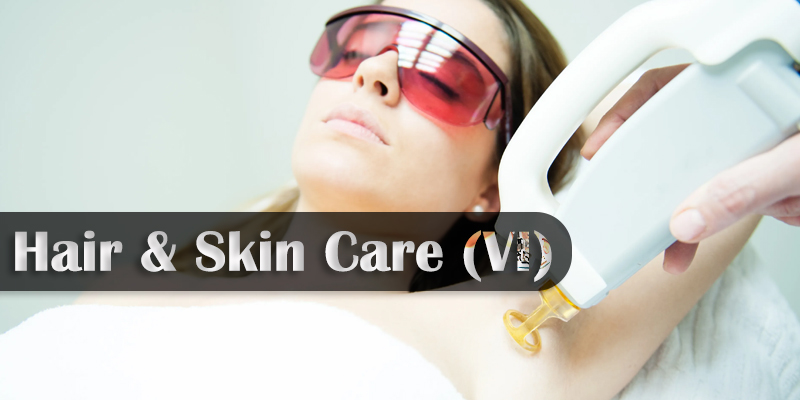
Understanding the hair growth cycle is important for cosmetologists when performing hair removal treatments such as waxing, threading, and other beauty services. Hair removal is often more effective when hair is in the active growth stage.
Knowledge of the hair growth cycle also helps professionals provide better advice to clients about hair care, hair treatments, and managing hair growth.
Maintaining Healthy Hair Growth
Maintaining healthy hair growth requires proper hair care practices. Regular washing, conditioning, and gentle handling of hair help maintain scalp health. A balanced diet rich in vitamins and minerals also supports strong and healthy hair growth.
Avoiding excessive heat styling, harsh chemicals, and tight hairstyles can also help protect the hair follicles and maintain the natural growth cycle.
Conclusion
The hair growth cycle is a natural process that includes three main stages: anagen (growth phase), catagen (transition phase), and telogen (resting phase). Each stage plays an important role in the growth, rest, and replacement of hair.
Understanding the hair growth cycle helps cosmetology professionals perform effective treatments and guide clients in maintaining healthy hair. Proper hair care and healthy lifestyle habits support the natural cycle and promote strong, beautiful hair.