
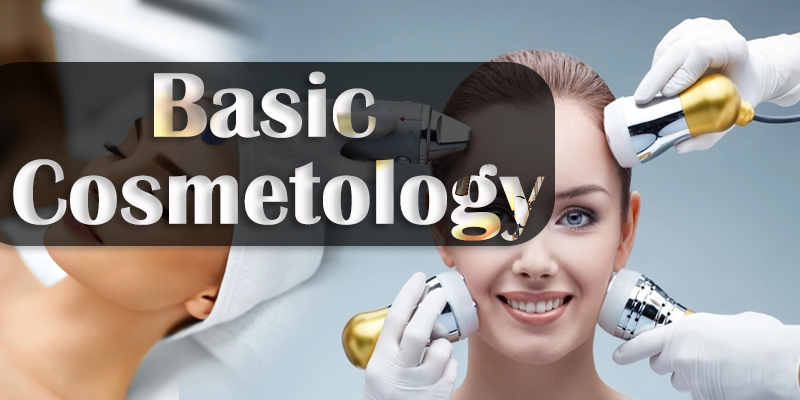
The ITI Cosmetology course is a one-year, two-semester vocational training program (Craftsman Training Scheme - CTS) focused on beauty culture, hair care, skin treatment, and makeup. It provides a National Trade Certificate (NTC) recognized under DGT, preparing students for roles as beauticians, hair stylists, or salon entrepreneurs
Key Course Details
- Duration: 1 Year (2 semesters of 6 months each).
- Eligibility: 10th class pass from a recognized board.
- Age: Minimum 14 years.
- Curriculum: Covers skin analysis, facial treatments, hair styling, hair cutting, coloring, manicure, pedicure, yoga, and, in some cases, basic anatomy and salon management
- Skills: Focuses on employability skills, sanitation, client management, and practical training
Career Opportunities
Upon completion, trainees can find employment as:
- Beautician
- Hair Stylist
- Make-up Artist
- Hair Colorist
- Manicurist/Pedicurist
- Salon Manager/Owner
Certification
The program awards a National Trade Certificate (NTC) from the Directorate General of Training (DGT), which is recognized worldwide
ITI Hair and Skin Care
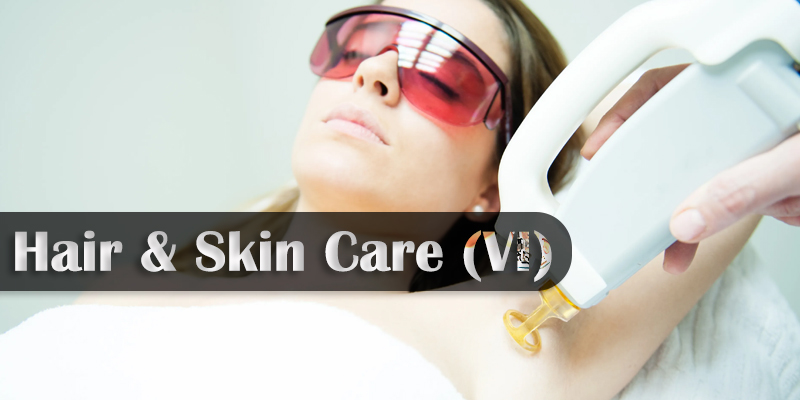
The ITI "Hair and Skin Care" trade is a one-year vocational training program under the Craftsman Training Scheme (CTS), governed by the National Council for Vocational Training (NCVT). This course equips trainees with skills in hair cutting, styling, coloring, and skincare treatments to provide professional beauty services. The syllabus integrates theoretical knowledge, practical beauty techniques, and employability training to prepare students for roles such as hairdressers, beauticians, or salon assistants in beauty parlors, spas, or as independent entrepreneurs.
Course Overview
- Duration: 1 year (2 semesters, each 6 months)
- NSQF Level: Level 4
- Eligibility: Minimum 10th grade pass (or equivalent)
- Objective: To train individuals in hair and skin care techniques, beauty treatments, and salon management to meet industry standards and client expectations.
ITI Spa Therapy
Course Overview
- Trade Name: Spa Therapy
- Duration: 1 Year (2 Semesters)
- NSQF Level: Level 4
- Eligibility: 10th Grade Pass
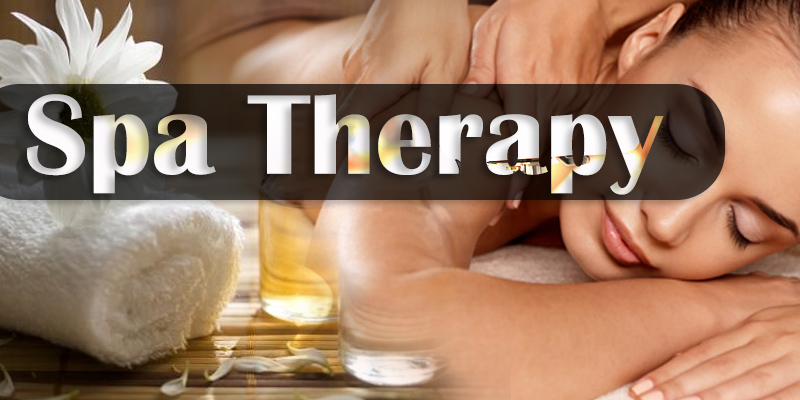
- Objective: To train candidates in spa treatments, including massage, skincare, hydrotherapy, and yoga, equipping them for roles as spa therapists, masseurs, or wellness consultants in spas, salons, hotels, or wellness centers, or for self-employment in spa and wellness services.
- Certification: National Trade Certificate (NTC) by NCVT
Detailed Syllabus
Semester 1
Trade Theory
- Introduction to Spa Therapy: History of spa, types (day, resort, medical), role of spa therapists.
- Safety Practices: Hygiene, sterilization, PPE (gloves, masks), client safety, ergonomic posture.
- Anatomy Basics: Human body structure, muscles, joints, bones; relevance to massage.
- Massage Fundamentals: Types (Swedish, aromatherapy), benefits, contraindications.
- Skincare Basics: Skin types (dry, oily, combination), skin anatomy, basic facial techniques.
- Spa Products: Essential oils, carrier oils, scrubs, wraps; properties and applications.
- Client Handling: Consultation, understanding client needs, professional ethics, confidentiality.
Trade Practical
- Safety Drills: Sterilizing tools, maintaining hygiene, setting up safe workstations.
- Body Mapping: Identifying muscles, joints, bones for massage application.
- Massage Practice: Performing Swedish massage (effleurage, petrissage), ensuring client comfort.
- Facial Techniques: Cleansing, exfoliating, applying masks for different skin types.
- Product Application: Using essential oils, preparing scrubs, applying body wraps.
- Client Interaction: Conducting mock consultations, recording client preferences.
- Project Work: Performing a full-body Swedish massage and basic facial for a client.
Hours: Theory: 160 hours | Practical: 240 hours
Semester 2
Trade Theory
- Advanced Massage Techniques: Deep tissue, hot stone, Thai, Ayurveda-based massages (Abhyangam).
- Hydrotherapy: Techniques (baths, steam, Vichy showers), benefits, equipment usage.
- Reflexology: Foot and hand reflex maps, pressure points, therapeutic effects.
- Spa Therapies: Body scrubs, wraps, Potli, Kizhi, Udwartanam massages; cultural significance.
- Yoga and Meditation: Basic asanas, breathing techniques, stress management for clients.
- Business Skills: Spa operations, product sales, marketing, starting a spa service.
- Quality Control: Evaluating treatment outcomes, client feedback, maintaining standards.
Trade Practical
- Advanced Massage: Practicing deep tissue, hot stone, and Potli massages, ensuring depth control.
- Hydrotherapy Tasks: Setting up steam baths, performing hydro-massages, monitoring safety.
- Reflexology Practice: Applying pressure on reflex points, mapping foot/hand zones.
- Spa Treatments: Conducting full-body scrubs, wraps, Kizhi, and Udwartanam massages.
- Yoga Sessions: Guiding basic yoga stretches, teaching pranayama for relaxation.
- Spa Simulation: Managing a mock spa session (consultation, treatment, feedback).
- Project Work: Designing and executing a complete spa therapy session (massage, facial, hydrotherapy).
Hours: Theory: 160 hours | Practical: 240 hours
Additional Components
- Workshop Calculation and Science
- Calculations: Product dilution ratios, treatment time estimation, client billing.
- Science: Skin physiology, muscle relaxation mechanics, hydrotherapy effects.
- Hours: 80 hours/year
- Engineering Drawing
- Drawings: Spa layout designs, treatment room setups, equipment schematics.
- Hours: 80 hours/year
- Employability Skills
- Communication: Client consultations, professional correspondence, teamwork.
- IT Literacy: Using spa management software, online booking systems, social media marketing.
- Soft Skills: Time management, resume writing, interview preparation.
- Hours: 60 hours/year
Assessment and Certification
- Exams:
- Theory: Written exams per semester (MCQs, descriptive questions).
- Practical: Tasks like performing massages, facials, reflexology, and spa setups.
- Evaluation Criteria: Treatment accuracy, client satisfaction, hygiene standards, professional conduct.
- Certification: NCVT National Trade Certificate (NTC) upon passing both semesters, globally recognized.
Career Opportunities
- Employment: Spa therapist, masseur, reflexologist in spas, hotels, wellness centers, or cruise ships.
- Self-Employment: Running a spa, freelance therapy services, mobile spa business.
- Further Studies: Diploma in Beauty Therapy, certifications in Ayurveda or advanced massage techniques.