

COSMETOLOGY GENERAL INFORMATION
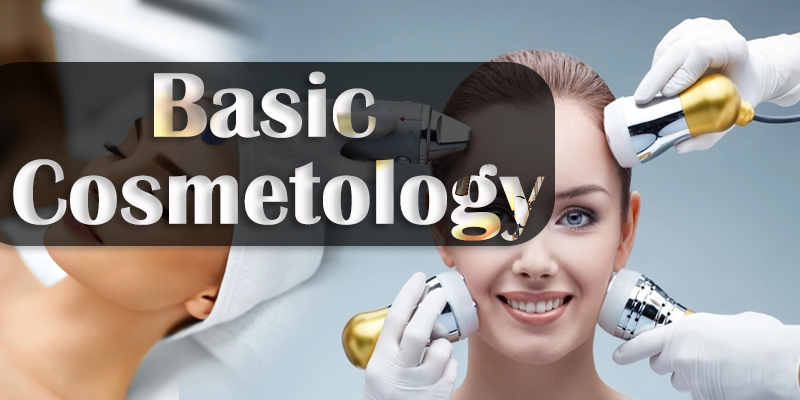
The Cosmetology trade under the Craft Instructor Training Scheme (CITS) is a specialized instructor training program designed to prepare skilled trainers for the beauty and wellness sector. This program is developed and administered by the Directorate General of Training (DGT) under the Ministry of Skill Development and Entrepreneurship, Government of India. The course focuses on developing both technical expertise in cosmetology and teaching capabilities required to train students in vocational institutes.
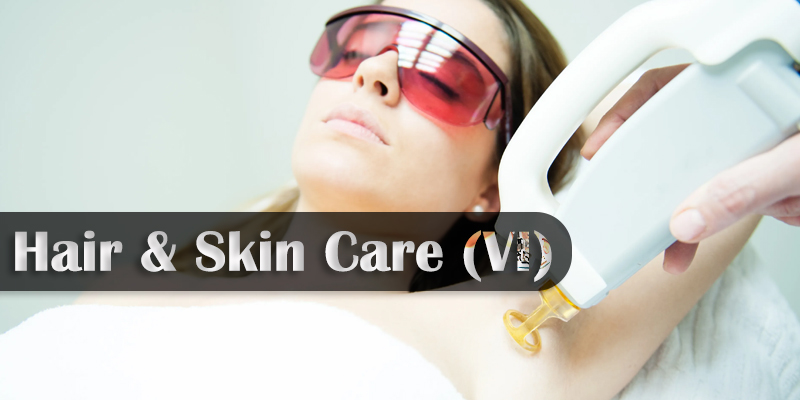
Cosmetology has become an important profession in the modern world due to the rapid growth of the beauty and wellness industry. Skilled professionals are required to provide services such as skincare treatments, hair styling, makeup application, nail care, and other beauty therapies. The CITS Cosmetology course prepares instructors who can train aspiring beauticians and salon professionals with industry-relevant skills.
Name of the Trade and Trade Code
The official name of the trade is Cosmetology – CITS. The trade code assigned to this course by the Directorate General of Training is DGT/4021. This trade belongs to the Beauty and Wellness Sector, which is one of the rapidly expanding sectors in India’s service industry.
The course is aligned with the National Skill Qualification Framework (NSQF) Level 6, which indicates that it is an advanced level training program aimed at developing professional instructors with both technical and pedagogical competencies.
Reference to National Classification of Occupations
The Cosmetology CITS course is linked with several job roles defined under the National Classification of Occupations (NCO) 2015. These references help align the training program with industry requirements and occupational standards.
Some of the key occupational references include roles such as Manual Training Teacher or Craft Instructor, Hairdresser, Hair Stylist, Beautician, Skin Care Specialist, and Make-up Artist. These occupational classifications ensure that the training curriculum covers the skills required for various beauty and wellness professions.
Duration of the Course
The duration of the Cosmetology instructor training program is one year. During this period, trainees undergo intensive theoretical and practical training in cosmetology techniques, salon management, and teaching methodologies.
The one-year training duration is designed to provide sufficient time for trainees to develop professional skills and gain experience in performing beauty treatments and demonstrating these techniques in a training environment.
Unit Strength
The standard batch size for the Cosmetology CITS course is 25 trainees. This unit strength allows training institutes to maintain effective instructor-to-student interaction during both theoretical and practical sessions.
A limited batch size ensures that trainees receive adequate attention during workshop training and practical demonstrations. This helps improve skill acquisition and ensures that trainees gain hands-on experience with beauty tools and equipment.
Entry Qualification
Candidates who wish to enroll in the Cosmetology CITS program must meet certain educational qualifications. The course is open to candidates who possess a degree or diploma in cosmetology, hair and skin care, beautician courses, or related fields from a recognized university or board.
Alternatively, candidates who have completed the National Trade Certificate (NTC) in Cosmetology or related trades are also eligible for admission. Another acceptable qualification is the National Apprenticeship Certificate (NAC) in hair and skin care, beautician, or related trades.
These eligibility criteria ensure that trainees entering the instructor training program already possess basic knowledge and experience in cosmetology practices.
Minimum Age Requirement
The minimum age requirement for admission to the Cosmetology CITS course is 18 years as of the first day of the academic session. This requirement ensures that trainees have attained sufficient maturity and educational background before entering the instructor training program.
Space and Power Requirements
Training institutes offering the Cosmetology CITS course must provide adequate infrastructure to support both theoretical and practical training activities. According to training guidelines, the minimum required space for conducting the course is approximately 80 square meters.
This space includes classrooms, practical laboratories, and demonstration areas equipped with modern cosmetology tools and equipment. Adequate workspace is necessary for conducting beauty treatments, hairstyling demonstrations, and makeup practice sessions.
The institute must also provide a power supply capacity of around 10 kilowatts. This power requirement supports the operation of various electrical beauty equipment such as hair dryers, facial machines, hair straighteners, steamers, and other salon devices used during practical training.
Instructor Qualification
Qualified instructors are essential for delivering effective training in the Cosmetology CITS program. The instructor responsible for teaching cosmetology must possess relevant educational qualifications and professional experience in the beauty and wellness sector.
Candidates with a Bachelor of Vocational Education (B.Voc) or degree in cosmetology, hair and skin care, or beautician courses from an AICTE or UGC recognized university are eligible to become instructors if they have at least two years of industry experience.
Alternatively, candidates with a diploma in cosmetology or related disciplines may also become instructors if they possess a minimum of five years of relevant work experience. Those who hold National Trade Certificates or National Apprenticeship Certificates in cosmetology trades may also qualify for instructor positions if they have at least seven years of industry experience.
In addition to these qualifications, instructors must hold the National Craft Instructor Certificate (NCIC) in cosmetology or related variants under the Directorate General of Training.
Soft Skills Instructor Qualification
The training program also includes soft skills development. Therefore, institutes must appoint instructors qualified in communication and personality development training. These instructors may hold qualifications such as MBA, BBA, or a graduate degree in any discipline along with teaching experience and specialized training in soft skills instruction.
Training Methodology Instructor Qualification
Training methodology is another important component of the CITS program. The instructor responsible for this subject must have a degree or diploma along with experience in teaching or training activities. In addition, the instructor must possess the National Craft Instructor Certificate or an equivalent teaching qualification such as B.Ed. or training certification from recognized institutes.
Weekly Training Schedule
The Cosmetology CITS training program follows a structured weekly schedule of approximately 40 training hours per week. These hours are distributed among different training components including trade practical, trade theory, soft skills, and training methodology.
A significant portion of the weekly schedule is dedicated to practical training in cosmetology techniques. This ensures that trainees develop hands-on experience with various beauty treatments and salon equipment.
Conclusion
The Cosmetology General Information section provides essential details about the structure, eligibility requirements, and training framework of the CITS cosmetology program. By establishing clear standards for admission, instructor qualifications, and training infrastructure, the program ensures the delivery of high-quality vocational education in the beauty and wellness sector.
Through this instructor training program, skilled professionals are prepared to train future beauticians, hair stylists, and makeup artists. As a result, the Cosmetology CITS course plays a significant role in supporting the development of a skilled workforce for the rapidly growing beauty and wellness industry.