
COSMETOLOGY ASSESSMENT CRITERIA
The Cosmetology trade under the Craft Instructor Training Scheme (CITS) follows a well-defined assessment system to evaluate the knowledge, practical skills, and teaching capabilities of trainees. Assessment criteria are designed to ensure that trainees achieve the required competencies to work as professional cosmetologists and instructors in the beauty and wellness sector.
The assessment process is based on the learning outcomes of the course and focuses on evaluating the trainee’s ability to demonstrate practical beauty treatments, follow safety procedures, and apply cosmetology techniques effectively. These criteria help maintain uniform standards in vocational training and ensure that graduates of the program meet industry expectations.
Purpose of Assessment Criteria
The primary purpose of assessment criteria is to measure the performance of trainees during the training program. It helps determine whether the trainee has successfully acquired the knowledge and practical skills required in cosmetology. The assessment also evaluates the trainee’s ability to demonstrate beauty services and guide students during practical training sessions.
Assessment is conducted using both theoretical and practical evaluation methods. Theoretical assessments test the trainee’s understanding of cosmetology concepts, while practical assessments focus on the trainee’s ability to perform beauty treatments and operate salon equipment safely and efficiently.
Assessment of Safety Practices
One of the important areas of evaluation in cosmetology training is safety and hygiene. Trainees must demonstrate the ability to follow proper safety practices while performing beauty treatments. This includes maintaining cleanliness of tools, sterilizing equipment, and ensuring hygienic working conditions in the salon environment.
The assessment also evaluates the trainee’s ability to identify potential hazards and apply preventive measures to avoid accidents. Knowledge of first aid and emergency procedures is also tested to ensure that trainees are prepared to handle unexpected situations during beauty treatments.
Assessment of Skin Analysis Skills
Skin analysis is a fundamental skill for cosmetologists. During the assessment process, trainees are evaluated on their ability to examine skin conditions using appropriate diagnostic tools. They must demonstrate how to identify different skin types and recognize common skin disorders such as acne, pigmentation, and dryness.
The trainee must also demonstrate the ability to select suitable cosmetic products and treatment procedures based on the results of the skin analysis. This ensures that beauty treatments are customized according to the client’s individual needs.
Assessment of Facial Treatments
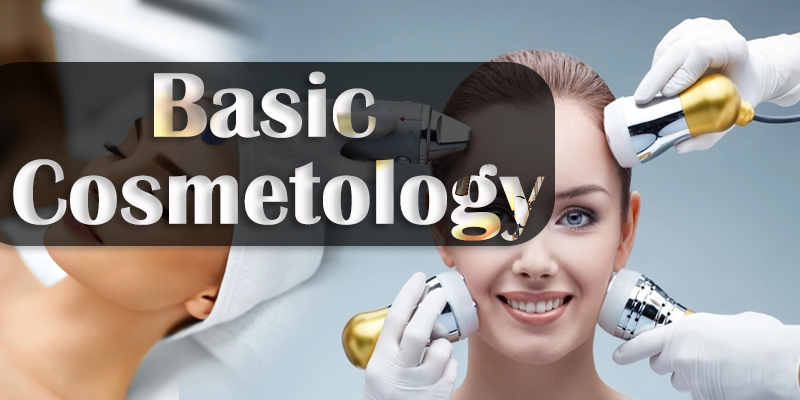
Another key area of evaluation is the trainee’s ability to perform facial treatments using modern cosmetology equipment and techniques. Trainees must demonstrate the complete procedure of facial treatments, including cleansing, exfoliation, massage, and application of facial packs.
The assessment includes evaluating the trainee’s knowledge of facial machines such as galvanic machines, high-frequency machines, and ultrasonic devices. Trainees must also explain the benefits and precautions associated with each treatment method.
The evaluation focuses on the trainee’s ability to follow proper treatment procedures while maintaining hygiene and safety standards.
Assessment of Manicure and Pedicure Services
Manicure and pedicure services are essential components of cosmetology training. During assessment, trainees must demonstrate their ability to perform nail care services using correct techniques and tools.
The evaluation includes nail cleaning, shaping, polishing, and cuticle care. Trainees must also demonstrate spa manicure and spa pedicure procedures, which involve relaxation techniques and specialized nail care treatments.
Hygiene practices during nail care services are carefully evaluated to ensure that trainees follow proper sanitation procedures while working with clients.
Assessment of Hair Coloring Techniques
Hair coloring is another important skill assessed in the cosmetology course. Trainees must demonstrate various coloring techniques such as highlighting, streaking, and frosting.
The evaluation also includes the trainee’s ability to perform patch tests and strand tests before applying hair coloring products. These tests are necessary to ensure that clients do not experience allergic reactions to hair coloring chemicals.
Trainees must also demonstrate the correct application of hair color products and explain the precautions required during the coloring process.
Assessment of Hair Cutting and Styling
Hair cutting and styling skills are assessed to ensure that trainees can perform modern haircuts and create fashionable hairstyles. The evaluation includes the use of tools such as scissors, razors, and clippers.
Trainees must demonstrate techniques such as layering, graduation, and blunt cutting while maintaining accuracy and precision. They must also show the ability to select appropriate hairstyles based on facial shape and hair type.
Hair styling evaluation includes the use of styling equipment such as hair dryers, curlers, and straighteners to create different hairstyles for various occasions.
Assessment of Makeup Techniques
Makeup artistry is a major part of cosmetology training, and trainees are evaluated on their ability to perform different types of makeup applications.
The assessment includes corrective makeup, fantasy makeup, stage makeup, and bridal makeup techniques. Trainees must demonstrate how to prepare the skin for makeup application and use appropriate cosmetic products for different skin tones.
They must also explain hygiene practices related to makeup tools and brushes to ensure client safety.
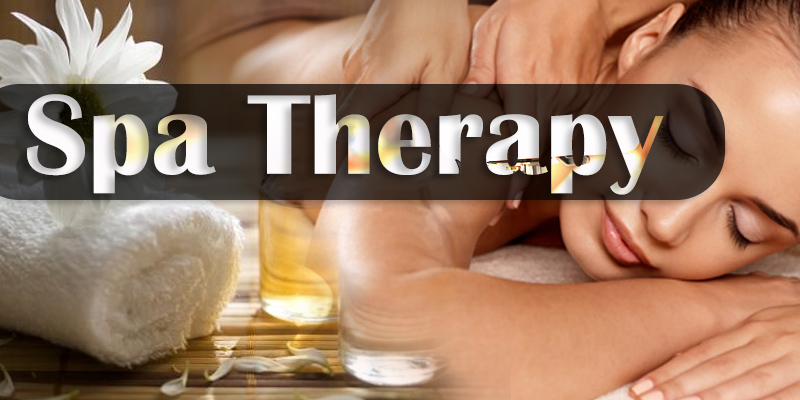
Assessment of Body Massage and Spa Services
Body massage and spa treatments are evaluated as part of the cosmetology assessment process. Trainees must demonstrate different massage techniques such as Swedish massage and classical massage.
The evaluation focuses on the trainee’s ability to apply proper massage movements, maintain correct posture, and ensure client comfort during treatments.
Knowledge of spa products and their benefits is also assessed during the evaluation process.
Assessment of Piercing and Tattoo Services
Piercing and tattoo techniques are also included in the assessment criteria. Trainees must demonstrate safe methods for performing ear and nose piercing procedures.
The evaluation includes maintaining hygiene while using piercing equipment and providing proper aftercare instructions to clients.
Trainees must also demonstrate knowledge of tattoo design techniques and safety precautions related to tattoo procedures.
Project-Based Assessment
Project work is another important component of the cosmetology assessment system. Trainees are required to complete practical projects that demonstrate their ability to apply cosmetology skills in real-life situations.
These projects may involve performing complete beauty treatments or creating specialized makeup and hairstyle designs. The projects encourage creativity, innovation, and professional presentation skills.
Final Certification
At the end of the training program, trainees must appear for the All India Trade Test for Craft Instructor. This national examination evaluates the overall competency of trainees in cosmetology skills and instructional methods.
Candidates who successfully pass the examination are awarded the National Craft Instructor Certificate (NCIC), which is recognized across India for teaching vocational trades in training institutions.
Conclusion
The assessment criteria for the Cosmetology CITS course ensure that trainees develop the professional skills required to perform beauty treatments and train future cosmetologists. By evaluating both theoretical knowledge and practical performance, the assessment system maintains high standards in vocational education.
Through structured assessments and practical demonstrations, trainees gain confidence in their abilities and become capable of contributing to the growing beauty and wellness industry as skilled professionals and qualified instructors.